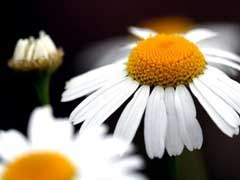
What is a weed and what is a wildflower? The same plant could be either or both. It depends on where you are and who’s asking. The common names of wildflowers may suggest whether a plant is a boon or bane. They may be called worts (means plant in Old English), weeds, or herbs. The animal kingdom is well represented in the nomenclature, and the scientific name of a plant will, in many cases, tell something about the physical characteristics of a particular species. Religious and mythological references also are connected with names of wildflowers. Medicinal and herbal usefulness are regularly referenced in both common and scientific names of wildflowers. Some are even named for people.
Container Gardening in Box, Buckets, Baskets & Tubs
How Does Your Garden Grow?
When rooms in your home need a change, you move the pictures on the wall, add a piece of furniture or lamp to give the room a new feel. We can do the same thing with outdoor garden rooms. When we add a vertical or horizontal element to the garden, it seems to change. I belong to the “garden as an illusion” school as taught by the late Emily Whaley. She believed that you create the look or focal points in the garden that you want people to see. We change the appearance of a garden room by adding something new or old. I really enjoy using old pots and buckets, crockery, and sinks as planters.
Who can resist being outside this time of year? I’m sitting on my deck enjoying a delightful breeze off the marsh and admiring the garden. To top it off, there’s a Painted Bunting at the bird feeder – what more could one ask for? The flowers are blooming, the temperature is rising, but we still have time to add color or make changes if desired.
When I was a very little girl I thought my grandparents were magic. They were gardeners. Every Saturday, it seemed to me, they worked in the yard. They grew some of the shrubs that lined the long driveway to their house. Camellia japonica, C. sasanqua, holly, boxwood, and several varieties of azaleas were planted down the drive and around the house. Two acres of sandy earth had tall pine trees which gave shade, pine needles, and helped acidify the soil to the liking of those acid-loving plants. My grandfather never bought mulch. What I clearly remember is the miniature forest of rooted cuttings in sand boxes with window sashes over them.
Seriously, with a bit of both you too can have a fabulous garden. Plants are just like us; they are what they eat. Feed your soil the good stuff and you’ll have a rich, well amended soil that will help to produce healthy and beautiful plants and nutritious vegetables. Everything starts with the soil and here in the South Carolina Lowcountry, our soils run the gamut from pure sand to heavy clay with the ideal being somewhere in the middle of the range. Fortunately, everyone can commit to improve the growing conditions in their gardens. It is just like you getting the appropriate vitamins and minerals from your food. The confidence comes with time and experience and there is help available. Never give up.
Before the days of pharmacies being built every two miles or so, our great grandparents (and other ancestors for thousands of years before that) survived on herbal and other cures from their gardens or wildcrafted from the woods.
This point was personally brought home to me one summer when I was nine years old and got stung over most of my back by a Portuguese Man of War jelly fish at Pawley's Island. It felt like a thousand burning bee stings at once.


 When rooms in your home need a change, you move the pictures on the wall, add a piece of furniture or lamp to give the room a new feel. We can do the same thing with outdoor garden rooms. When we add a vertical or horizontal element to the garden, it seems to change. I belong to the “garden as an illusion” school as taught by the late Emily Whaley. She believed that you create the look or focal points in the garden that you want people to see. We change the appearance of a garden room by adding something new or old. I really enjoy using old pots and buckets, crockery, and sinks as planters.
 Who can resist being outside this time of year? I’m sitting on my deck enjoying a delightful breeze off the marsh and admiring the garden. To top it off, there’s a Painted Bunting at the bird feeder – what more could one ask for? The flowers are blooming, the temperature is rising, but we still have time to add color or make changes if desired.
 Before the days of pharmacies being built every two miles or so, our great grandparents (and other ancestors for thousands of years before that) survived on herbal and other cures from their gardens or wildcrafted from the woods.