We get real excited about plants and will tout the benefits of this or that one to our friends, but we also need to recognize that they are part of a larger group. We in the Lowcountry have many natural gardens to visit and enjoy, from the swamps and forests to the savannahs and sand dunes. Each "garden" has its rare, occasional, special and common forbs (great old English word for plant).
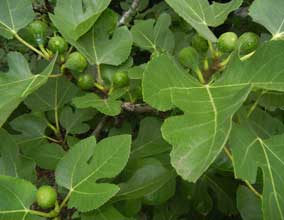
The figs this year have been more plentiful and much fatter and juicier than usual. Last year was a good year, too, but we've had so many it's hard to use them all before they start getting moldy. It's the old-fashioned Brown Turkey, a cutting shared from a long-ago neighbor's yard, now some fifteen feet high and twenty feet wide. A handsome tree, even if it didn't have fruit.
Taking pleasure in your garden in the midst of August's heat and bugs can be . . . well, to put it bluntly, difficult. Recently I was reading a blog by Tom Harris, Ph.D., a Texas gardener, that included a lengthy list of "dos and don'ts" for making late summer gardening more enjoyable. Parts of Texas are even hotter than SC, so many of his suggestions would apply well to our Lowcountry climate.
There are probably as many answers to this question as there are those who work the soil, and we could also have lots of the same answers in different orders of importance. Many of us garden for fruits, flowers, exercise, therapy, and perhaps an innate need to nurture. If you give me some dirt, compost, water, seeds, tubers, cuttings and bulbs, I can make a garden.
What a great blessing! I am able to celebrate both the unmatched offerings of nature surrounding me on all sides as well as the joys and challenges of trying to make a garden. To be sure, the close presence of nature does make some aspects of gardening more challenging than I would like.
Gardeners probably have as many reasons for not gardening as we do for actually gardening. Fortunately for most of us, the urge to get dirty and the craving for luscious home-grown produce or the joy of brilliant flowers and varied foliage overwhelm any tendency toward complete abandonment. Most of the time, anyway.


 Taking pleasure in your garden in the midst of August's heat and bugs can be . . . well, to put it bluntly, difficult. Recently I was reading a blog by Tom Harris, Ph.D., a Texas gardener, that included a lengthy list of "dos and don'ts" for making late summer gardening more enjoyable. Parts of Texas are even hotter than SC, so many of his suggestions would apply well to our Lowcountry climate.
 There are probably as many answers to this question as there are those who work the soil, and we could also have lots of the same answers in different orders of importance. Many of us garden for fruits, flowers, exercise, therapy, and perhaps an innate need to nurture. If you give me some dirt, compost, water, seeds, tubers, cuttings and bulbs, I can make a garden.
 What a great blessing! I am able to celebrate both the unmatched offerings of nature surrounding me on all sides as well as the joys and challenges of trying to make a garden. To be sure, the close presence of nature does make some aspects of gardening more challenging than I would like.
 Gardeners probably have as many reasons for not gardening as we do for actually gardening. Fortunately for most of us, the urge to get dirty and the craving for luscious home-grown produce or the joy of brilliant flowers and varied foliage overwhelm any tendency toward complete abandonment. Most of the time, anyway.