
| Let’s Build a Carolina Fence Garden |
|
| Written by Laura Lee Rose |
| Tuesday, 17 March 2020 13:44 |
|
You should design for the intended site, and that includes doing a little homework and soil preparation. Determine the site conditions: sunny, part sun, or part shade, and locate the water source regardless of the conditions, hot, dry or shady, because even native plants need moisture to become established. It is also essential to locate utilities – above and below ground –before any digging happens. It is helpful to take a soil test to see what nutrients need to be added, and the pH you have, to properly prepare the soil. Our Lowcountry soils are often sandy, compacted, and lack any organic matter. Adding compost to sandy or clay soils is similar to buying life insurance. Compost improves soils and aids water retention and can help “insure” the life expectancy of our plants. I like to think of it as an investment in the future of your garden. Not all composts are equal, but most are relatively inexpensive, should not have an unpleasant odor and will get things growing. Your Carolina fence garden also has some structures that enhance the possibilities for design. A fence is a vertical element and creates a place to grow plants that like to climb. It may be a fence that works to keep something out, something else in, or it might be strictly ornamental. I really like split rail and picket fences, but another option is a “living fence” which has posts and wire. The plants, usually vines, are planted at intervals and grow over the wire and create the visual illusion and appeal of a solid wall. Some other structures that I always like to include in a garden are a bench and a birdbath. Everything alive needs water and a good gardening friend of mine said once, “If you want to keep a plant alive, plant it close to your birdbath.” The birdbath and the bench should be in scale with the garden and its users. If it is a schoolyard, go for a smaller scale than at a retirement home. The materials can be metal, concrete, natural or manmade. A fourth element of your garden is horizontal or the floor. The plants that you choose will cover most of the floor, but also consider some paving: steppingstones, bricks, or porous concrete. The finishing touch and also more insurance would be your mulch. Organic mulches like pine straw or bark will help keep down the weeds, retain moisture, and cool the soil. Stepping stones and pavers will give butterfly feet and yours a place to light and bask. Pavers are attractive and functional giving the gardener weeding, watering, and planting access to all parts of the garden without compacting soil in the beds. Oh boy, it’s finally time to pick out plants! There are many choices and experienced gardeners will know that there are some that are better than others. For diminutive gardens the mature size and shape of a plant is crucial, and it is also important to understand its preferred growing conditions and habits. Because the purpose of a Carolina fence garden is two-fold, attracting wildlife and adding beauty, you want to select plants that provide nesting, cover, and/or food for animals including insect larvae and adults.
Once you have discovered the beauty and joy of a Carolina Fence Garden you will want to make sure that you have your bird, butterfly, and insect books close by the binoculars. Enjoy the plant and animal diversity of the natural world in your own yard. Check out some cool websites: http://www.clemson.edu/extension/hgic/ http://scnps.org/education/homeowners/ http://www.scwf.org/index.php/education-programs/habitats/fence-garden |
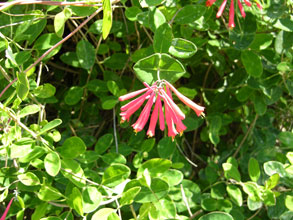 Pack a punch with native plants and attract pollinators at the same time. A Carolina fence garden is a great way to set aside an area in a home or school yard that will be easy to design, install and maintain. Using native shrubs and perennials will also give the landscape plants with a purpose. There is a native plant for every square inch of this garden.