
| Designing with the Natives |
|
| Written by Laura Lee Rose |
| Tuesday, 11 August 2015 14:46 |
|
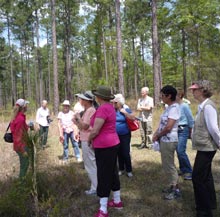
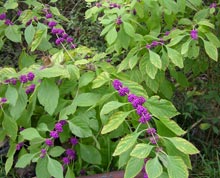
I just got back from a wonderful conference up in Cullowhee, NC, and wouldn’t you know I’d have to learn some things that took me out of my comfort zone of landscape design. It’s not fair to be an old gal and have to learn or relearn new tricks! Given a blank slate or paper and some colored pens, garden designers prefer to group plants in 3s, 5s, 7s or 15s, to make a statement. That’s the way we were taught to do it. We use mulch in between the plants to restrict the growth of weeds. It was pointed out, by more than one speaker, that natural plant communities just don’t follow that bubble approach. Seeds are dispersed by wind, water, animals and us. If the seed lands on friendly ground it germinates. If germination occurs and the seedling isn’t holding on tight enough, it might get washed away. If there isn’t enough moisture, the young plant will dry up and return to the dust. Browsing animals may eat the tender leaves. It’s a jungle out there and plants must develop successful survival strategies or die. The point being that, in a natural setting, we find plants on every level from low, shallow There is no such thing as a “no maintenance” garden. Use the right plants and place them to the best advantage that they will cover the ground and shade the weeds. Establish a maintenance plan to keep plants looking their best. Of course you will need to know the mature size and height of the species or variety. Should the garden have a goal other than aesthetic? Are you trying to work with nature or fighting it? Did I say it was a Native Plant conference? Working with native plants gives opportunity for beautiful landscapes and contributes to the health and diversity of wildlife – especially those plants that provide shelter, food, and nesting materials for birds or act as host plants for insects, which the birds feed to their young. We can all make a difference locally. Join with your neighborhood to get a wildlife certification program in place. Visit nature preserves: Pinckney Island, Savannah Wildlife, Audubon Newhall Preserve, Hunting Island, or Cypress wetlands in Port Royal to see how you can incorporate some natural areas or habitat on your property or common areas. Work with and support more natural landscapes and communities. |
 rooted ground covers, to intermediate heights, or even to taller grasses, forbs, shrubs, and trees. Plant populations may be found commonly, others not as often, and some are quite rare. Nature doesn’t let the ground stay bare for very long. When a tree falls, the seed bank in the forest floor wakes up and explodes as a result of increased light. Whether it is caused by humans (e.g. mowing, tilling, and prescribed burning) or nature (storms, lightning, animals) soil disturbance triggers the alarm clock and everyone is up and ready for school. Even in mulches, weeds or unwanted plants equipped with their effective survival kits will quickly overrun a neglected garden bed or path.